What are porcelain veneers and how do they work?
Porcelain veneers are thin ceramic shells bonded to the front surface of the teeth to improve color, shape, size, and overall appearance. They are custom-made to blend naturally with your smile.


Led by Dr. Bianca Prayle, cosmetic dentist specializing in porcelain veneers, minimally invasive dentistry, and natural smile design.
Advanced ceramic solutions designed to enhance aesthetics while preserving healthy tooth structure.
Deep stains or white spots on teeth, including marks left after braces, that cannot be corrected with professional whitening alone.
Teeth that appear irregular in shape, length, or alignment, affecting smile harmony.
Aged fillings, uneven edges, or surface defects that compromise the natural appearance of your smile.
Patients looking for durable, stable results with a refined and natural-looking finish.
Porcelain veneers, also known as ceramic veneers, are thin, custom-made shells crafted from high-quality dental ceramic and bonded to the front surface of the teeth. They are designed to improve tooth color, shape, size, and alignment while maintaining a natural appearance.
Porcelain veneer teeth are known for their excellent aesthetics, color stability, and durability. Unlike direct treatments, ceramic veneers are fabricated in a dental laboratory, allowing for precise control of translucency, texture, and shade.
Porcelain veneers are commonly used to:
Porcelain veneers are considered one of the most advanced solutions in cosmetic and minimally invasive dentistry.
Key benefits include:
For many patients seeking the best veneers in Dubai, porcelain veneers offer a refined and predictable option when long-term aesthetics are a priority.
Dr. Bianca Prayle evaluates tooth structure, facial proportions, bite, and gum health. Treatment options and expectations are discussed in detail.
Aesthetic planning may include digital analysis and previews to define shape, shade, and proportions before treatment begins.
When required, a conservative amount of enamel is prepared to allow proper veneer placement while preserving tooth integrity.
The ceramic veneers are custom-crafted and bonded to the teeth with precision, ensuring stability and a natural finish.
Bite, aesthetics, and comfort are carefully checked before completion.
Treatment timelines vary, but results are designed to be long-lasting and stable.
Porcelain veneers offer superior stain resistance and long-term durability, while composite veneers are more conservative and easier to repair.
Veneers cover only the front surface of the tooth and preserve more natural structure, while crowns fully encase the tooth.
Not all cases are suitable for no-prep veneers. A personalized assessment ensures aesthetics without over-contouring or bulk.
With proper dental hygiene and regular check-ups, porcelain veneers can last 10–15 years or longer, depending on individual habits and care.

A conservative solution for repairing chips, closing small gaps, or refining tooth edges.

Often called dental bonding, is a non-invasive cosmetic procedure where a tooth-colored resin is applied and sculpted onto a tooth’s surface to repair minor damage or improve its appearance.
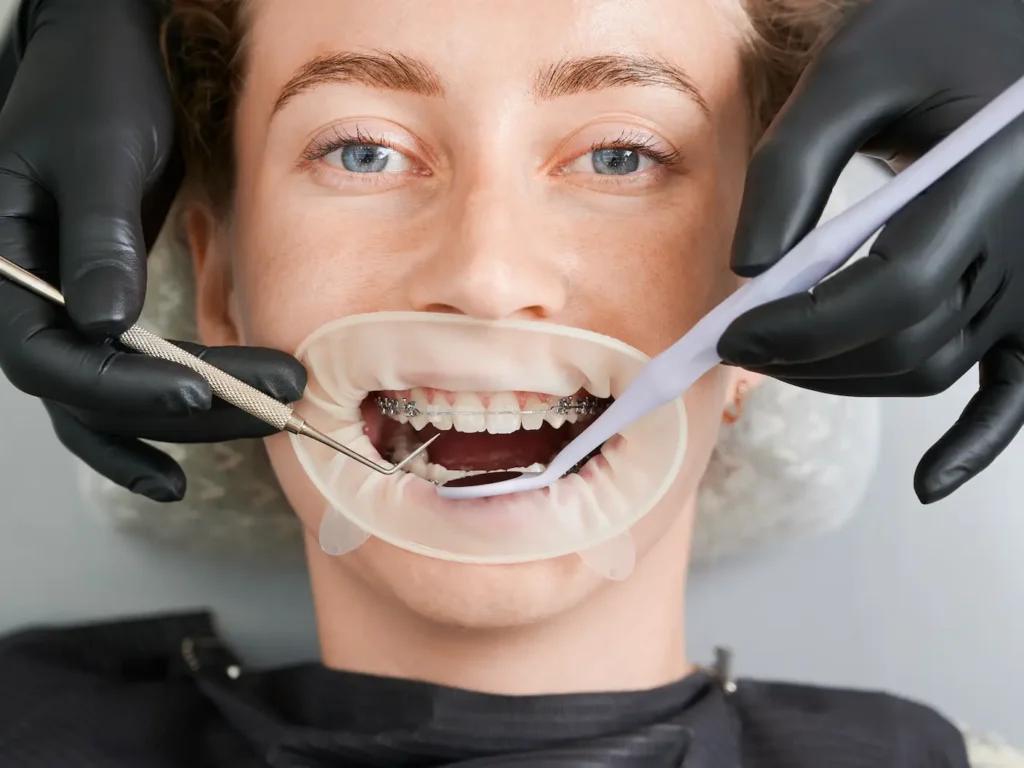
Focuses on maintaining oral health and preventing diseases like cavities, gingivitis, and periodontitis before they require reactive treatment. In 2025, these practices have evolved to integrate advanced technology with established daily routines.
Porcelain veneers are thin ceramic shells bonded to the front surface of the teeth to improve color, shape, size, and overall appearance. They are custom-made to blend naturally with your smile.
Porcelain veneers are known for their durability. With proper dental hygiene and regular check-ups, they typically last 10–15 years or longer.
Yes. Modern ceramic materials closely mimic natural enamel in translucency and texture. When properly designed, porcelain veneers offer a very natural, refined appearance.
Yes. Porcelain veneers are an effective treatment for white spots on teeth, including those left after orthodontic treatment, as well as deep discoloration that does not respond to whitening.
Both treatments have their indications. Porcelain veneers offer greater stain resistance and longevity, while composite veneers are more conservative and easier to adjust. The best option depends on your aesthetic goals and tooth condition.