Introduction
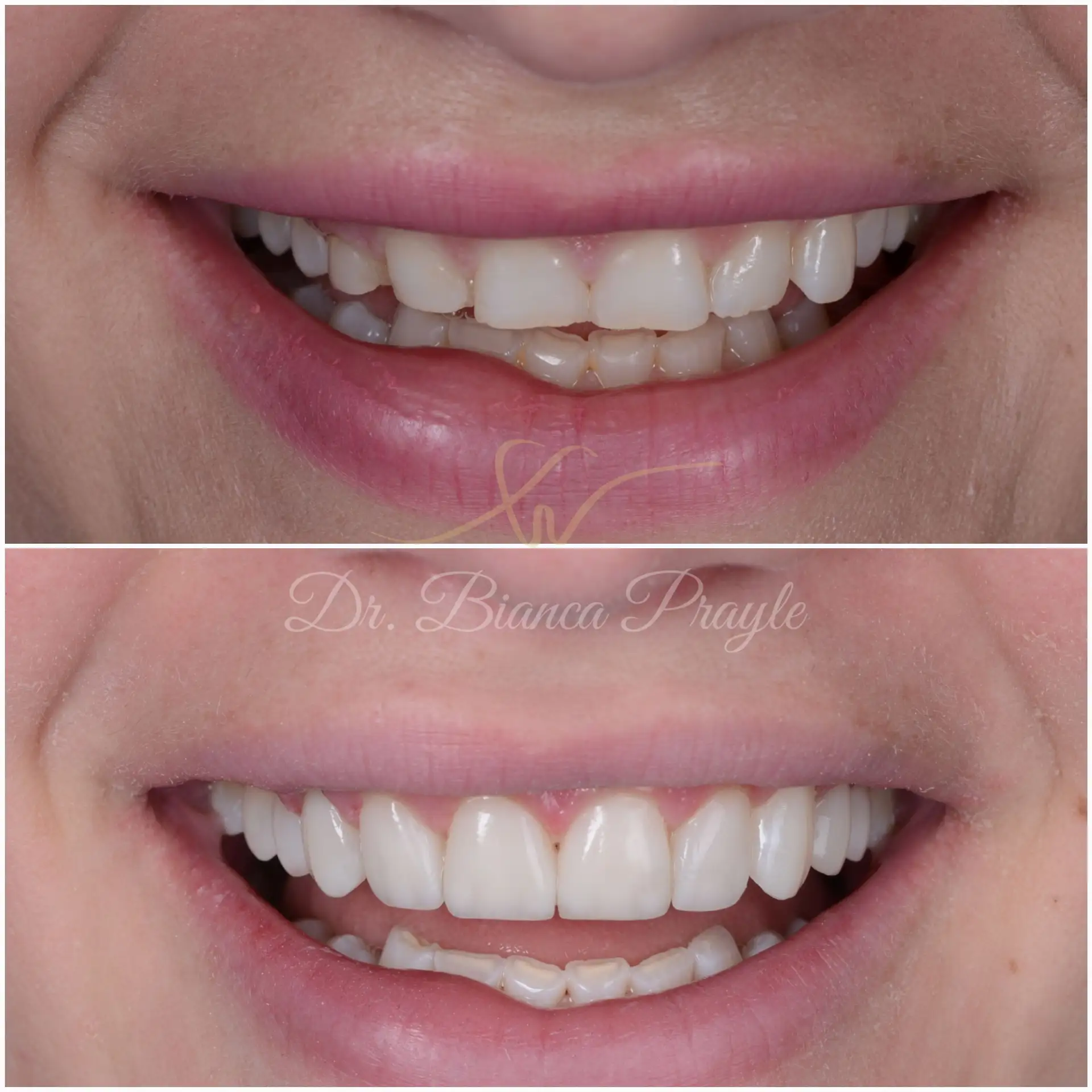
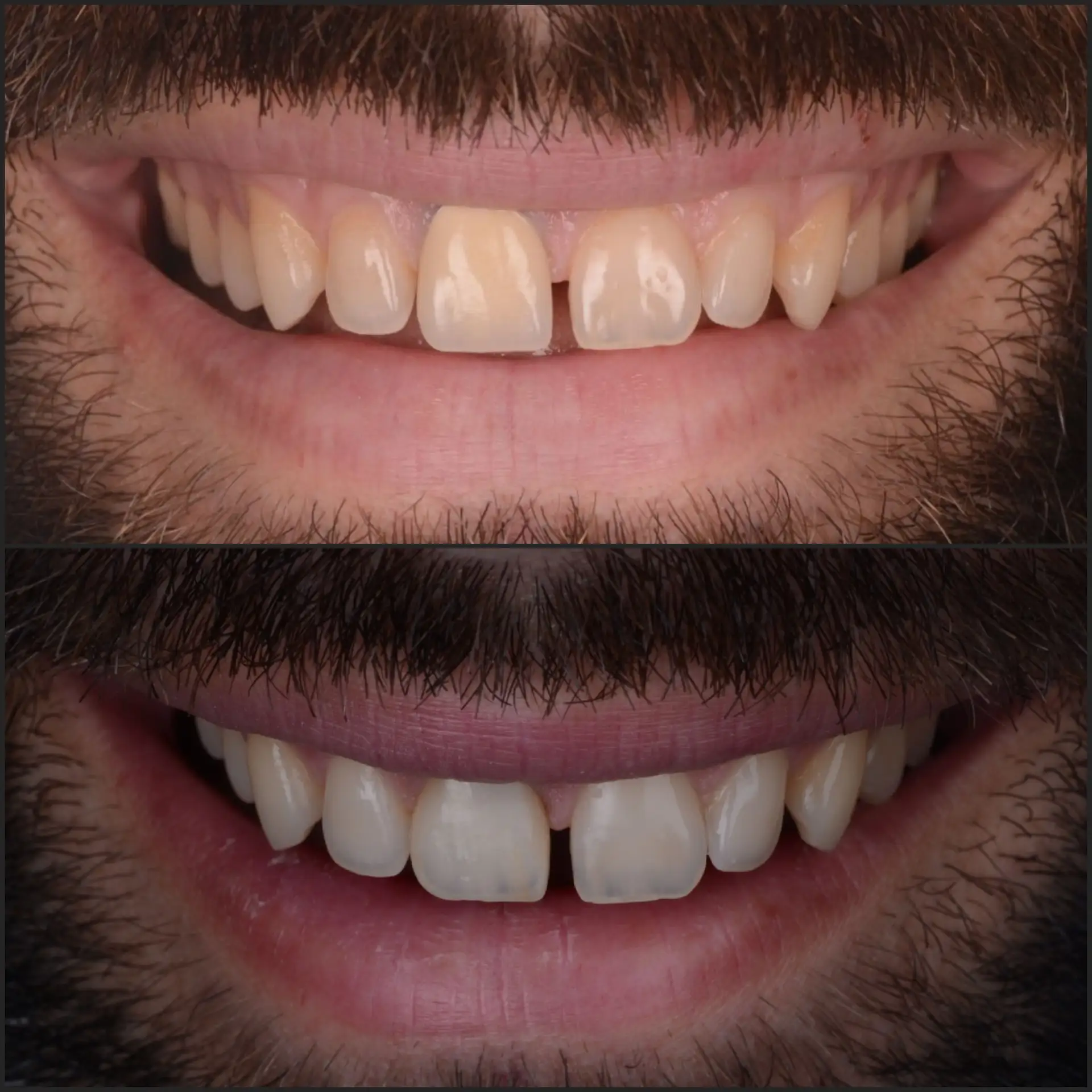
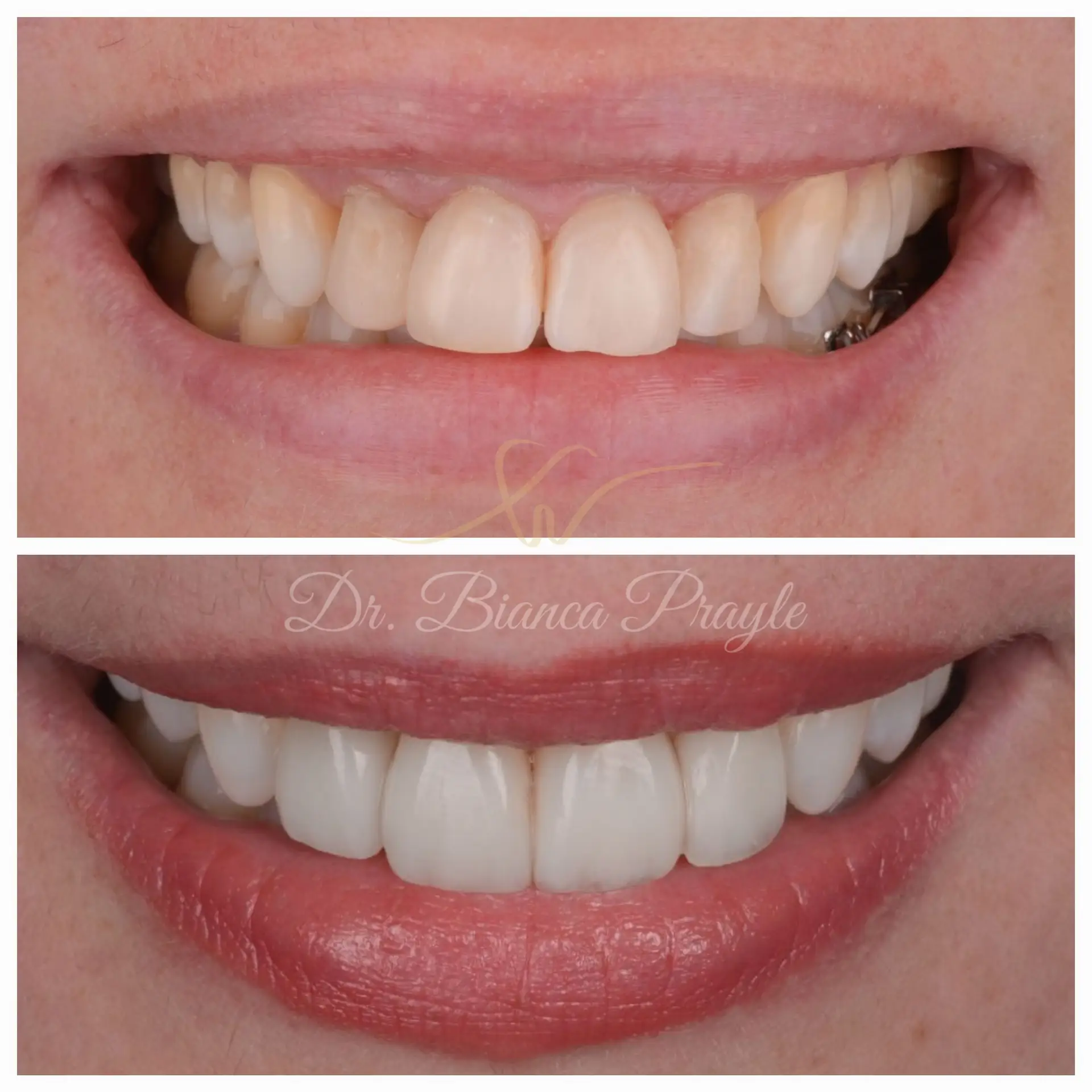
In this aesthetic case, Dr Bianca Prayle treated patients concerned about visible spaces between their front teeth, a condition commonly known as diastema. While dental gaps can be a natural anatomical feature, they often become an aesthetic concern when they disrupt smile symmetry or facial harmony.
The objective of the treatment was to restore balance using a conservative and minimally invasive approach, while clearly explaining the available options. In these cases, direct composite bonding offered an effective solution, delivering immediate results without the need for orthodontics or ceramic veneers.
Patient’s Background
The patients presented with visible gaps between the upper front teeth that had either developed over time or had become more noticeable as facial aesthetics changed. Although the spaces did not necessarily cause discomfort, they affected the smile’s overall appearance and, in some cases, contributed to food retention between the teeth.
Both patients were looking for a solution that:
- Preserved healthy tooth structure
- Could be completed in a short timeframe
- Provided a natural, balanced result
One patient required treatment before traveling abroad, while the other wanted to correct a long-standing “gap-toothed” appearance without undergoing orthodontic treatment.
Diagnosis & Treatment Plan
Diagnosis
A detailed clinical evaluation was carried out, focusing on:
- Tooth width, length, and proportions relative to the face
- Size and position of the diastema
- Gum health and the condition of the interdental papilla
- Bite forces and contact points between teeth
This assessment is essential, as closing a dental gap without proper planning can result in teeth that appear too wide or artificial, or in contact points that may negatively affect gum health.
Understanding the Treatment Options
Before selecting the final approach, the following options were explained to the patients:
- Direct composite bonding
This technique involves applying a high-quality composite resin directly onto the tooth surface to reshape and close spaces. The material is similar to that used in aesthetic fillings but is applied using advanced layering and contouring techniques. No drilling or enamel removal is required, making it a fully reversible and conservative option.
- Ceramic veneers
Ceramic veneers are thin shells made from dental ceramic, custom-crafted in a laboratory and bonded to the front surface of the teeth. They are ideal when patients wish to change not only spacing, but also tooth color, shape, and overall smile design. Veneers usually require minimal enamel preparation and more treatment time.
- Orthodontic treatment
Braces or clear aligners address the cause of spacing by repositioning the teeth. While effective, orthodontic treatment requires a longer time commitment and was not suitable for these patients’ goals.
Treatment Plan
Considering the clinical findings, time constraints, and aesthetic expectations, direct composite bonding was selected as the most appropriate solution. This approach allowed precise control of tooth shape and proportions, while preserving the natural enamel.
Treatment Steps
- Smile analysis and aesthetic planning, evaluating tooth and facial proportions
- Mock-up (try-in) when indicated, allowing the patient to preview the expected outcome
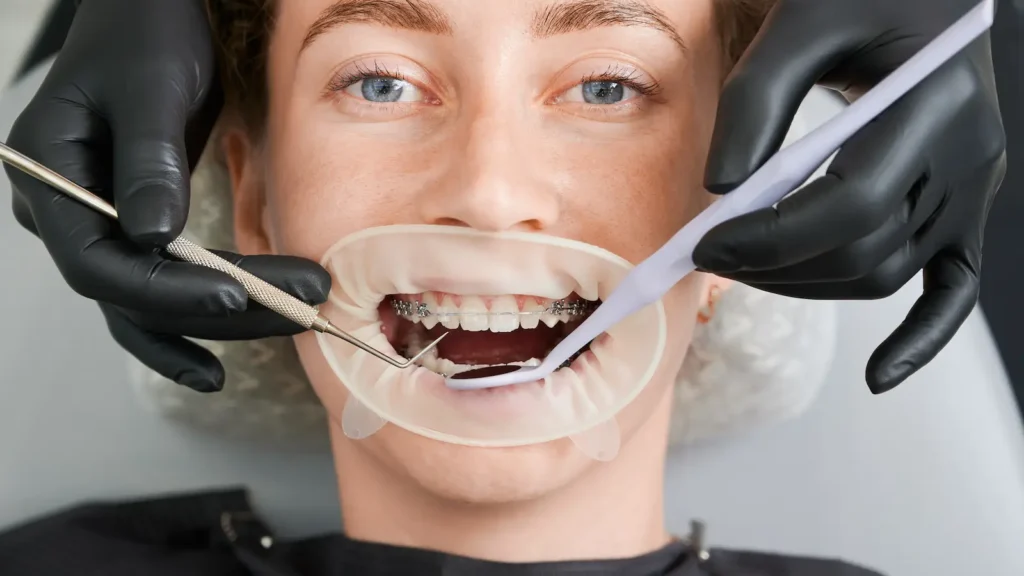
- Isolation with a dental dam, ensuring a clean and dry field for optimal bonding
- Layered application of composite resin, using shades that replicate natural enamel and dentin
- Careful shaping and contouring, recreating natural tooth anatomy and correct contact areas
- Final polishing, providing a smooth surface and natural gloss
The entire procedure was performed without drilling and without discomfort.
Results
The final outcome included:
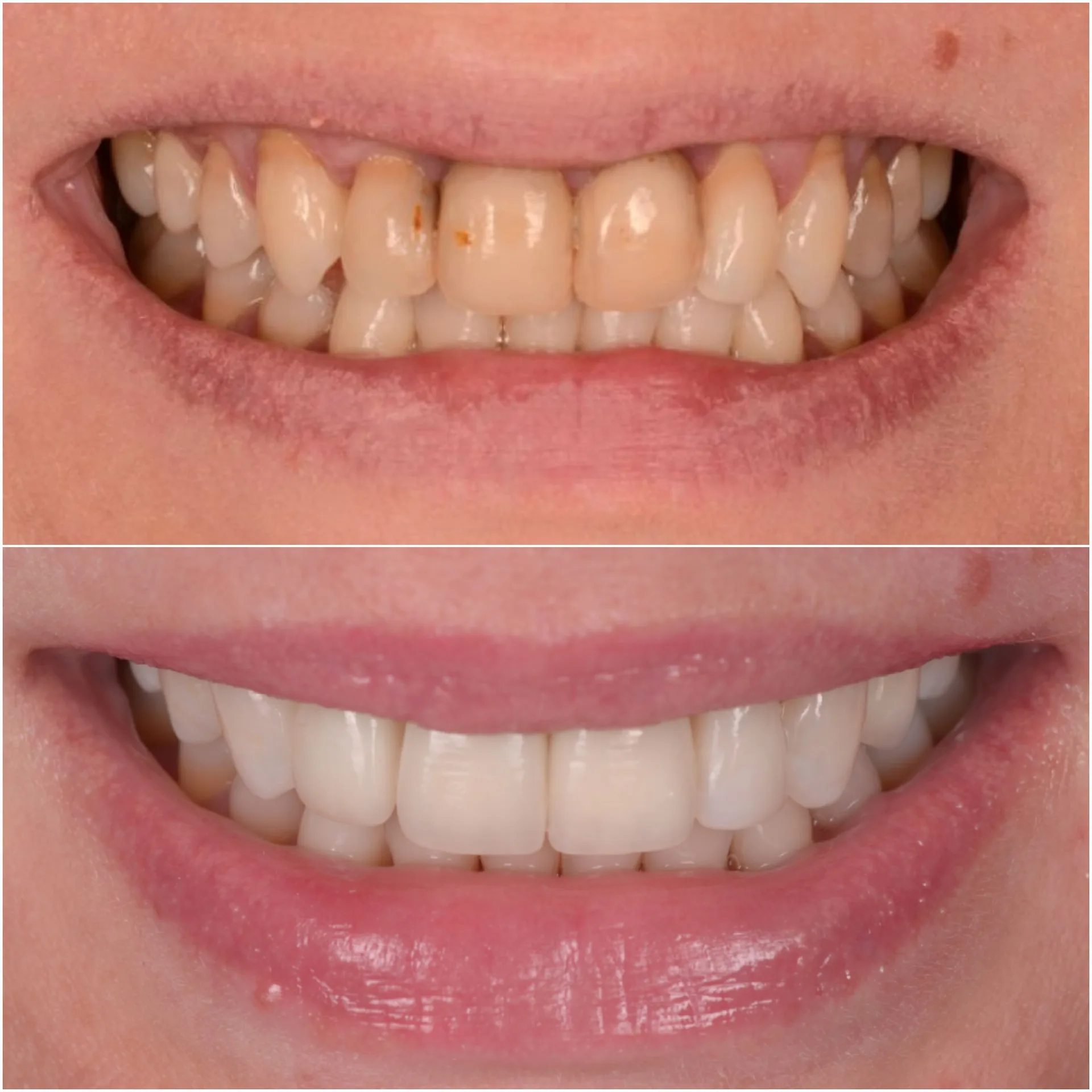
- Complete and harmonious closure of the dental spaces
- Improved smile symmetry and facial balance
- A natural appearance that blends seamlessly with adjacent teeth
The restorations integrated naturally in both color and texture, with results visible immediately after treatment.
Follow-up
At follow-up, the composite restorations remained stable, functional, and aesthetically pleasing. Gum tissues were healthy, with reduced risk of food impaction between teeth.
Patients were informed that composite materials can undergo minor surface changes over time. With proper oral hygiene, annual polishing, and regular dental check-ups, the restorations can maintain their appearance and function for many years.