How long does composite bonding take?
Most composite bonding treatments are completed in one visit, typically between 30 and 90 minutes.


Led by Dr. Bianca Prayle, cosmetic dentist specializing in composite bonding, minimally invasive dentistry, and natural smile refinement.
Conservative treatments designed to correct small imperfections while preserving healthy tooth structure
Small chips or broken edges on front or bottom teeth that affect appearance or comfort.
Subtle spacing between teeth or irregular contours that disrupt smile balance but do not require orthodontics.
White spots on teeth, including marks left after braces, or small discolored areas that do not respond to whitening.
Teeth that appear shortened or uneven due to wear, grinding, or previous dental work.
Composite bonding, also known as dental composite bonding, is a minimally invasive cosmetic dental treatment in which a tooth-colored composite resin is applied directly to the tooth surface. The material is carefully shaped and polished to correct imperfections and restore a natural appearance.
Composite bonding dental treatments are performed directly in the clinic, usually in a single visit, without drilling or removing healthy enamel. This makes bonding one of the most conservative options in aesthetic dentistry.
Composite bonding is commonly used to:
Composite bonding is valued for its simplicity, flexibility, and conservative nature.
Key benefits include:
For many patients in Dubai, composite bonding is an ideal solution when small aesthetic corrections are needed without committing to more extensive treatments.
Dr. Bianca Prayle evaluates tooth condition, bite, gum health, and aesthetic concerns. The suitability of composite bonding is discussed in detail.
The composite bonding material is selected to blend naturally with your existing teeth.
The composite material is applied directly to the tooth surface under precise isolation and carefully shaped.
The bonded area is polished to achieve a smooth surface and natural enamel-like gloss.
Most composite bonding treatments take 30–90 minutes, depending on the number of teeth involved.
Composite bonding corrects localized defects, while composite veneers reshape a larger visible surface of the tooth.
Bonding is more conservative and reversible, while porcelain veneers offer greater durability and stain resistance.
Crowns require extensive tooth preparation, while composite bonding preserves natural tooth structure.
With good dental hygiene and regular maintenance, composite bonding typically lasts 3–7 years, and often longer with careful care.

A minimally invasive option for fast aesthetic improvements and conservative smile refinement.

Durable ceramic solutions for advanced aesthetic transformations.
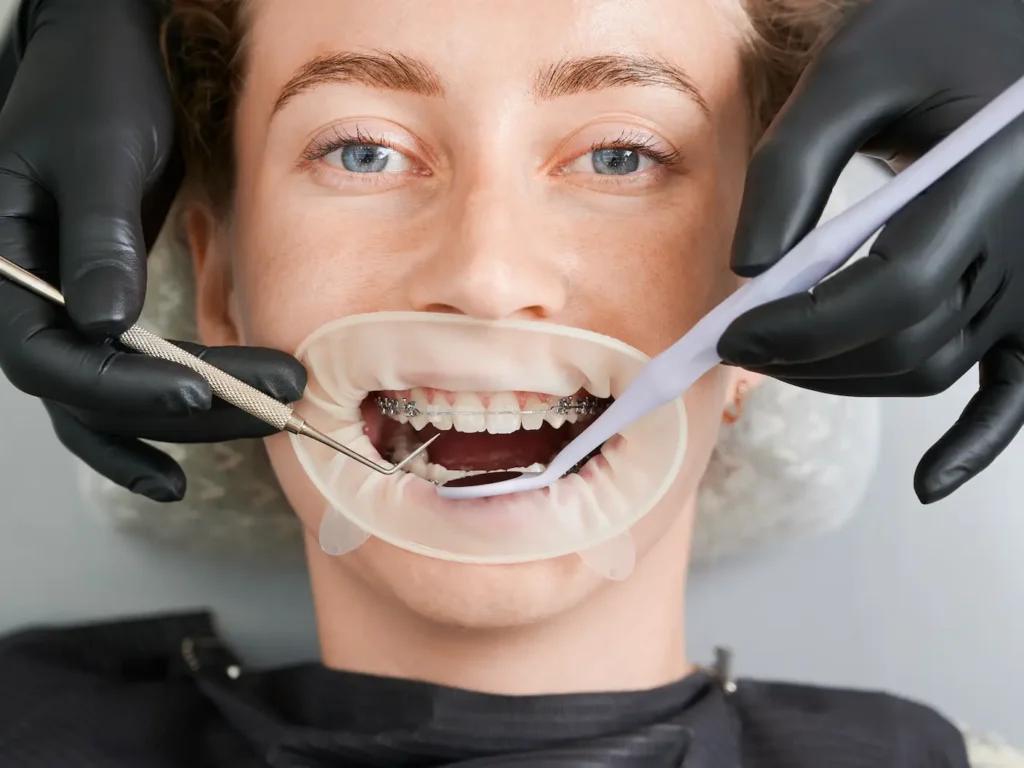
Focuses on maintaining oral health and preventing diseases like cavities, gingivitis, and periodontitis before they require reactive treatment. In 2025, these practices have evolved to integrate advanced technology with established daily routines.
Most composite bonding treatments are completed in one visit, typically between 30 and 90 minutes.
No. The procedure is painless and usually does not require anesthesia.
On average, composite bonding lasts 3–7 years, depending on oral hygiene, diet, and habits.
Yes. Composite bonding is reversible and can be repaired, reshaped, or removed without damaging the natural tooth.
Yes. Composite bonding is commonly used on front teeth to repair chips, close gaps, and refine edges.