Are composite veneers suitable for everyone?
They are ideal for mild to moderate aesthetic concerns. During consultation, Dr. Bianca Prayle will advise whether composite or porcelain veneers are more appropriate.


Led by Dr. Bianca Prayle, cosmetic dentist specializing in veneers, composite bonding, and natural smile design.
Minimally invasive treatments designed to enhance your smile while preserving healthy teeth.
Teeth that appear irregular in shape, length, or proportion, affecting the overall harmony of your smile.
Small fractures, worn enamel, or uneven incisal edges that become visible when smiling or speaking.
Teeth that look uneven in color or texture, especially when whitening alone does not deliver the desired result.
Subtle gaps or asymmetries that affect smile balance but do not require orthodontic treatment.
Composite veneers, also known as composite direct veneers, are thin layers of tooth-colored composite resin applied directly to the surface of the teeth. They are carefully shaped and polished to improve tooth shape, size, color, and symmetry.
Unlike porcelain veneers, composite veneers are completed directly in the clinic, often in a single visit, without removing healthy enamel. This makes them a conservative and reversible option for patients seeking aesthetic improvement without invasive procedures.
Composite veneer dental treatments are commonly used to:
Composite veneers are valued for their balance between aesthetics, conservation, and efficiency.
Key benefits include:
For many patients in Dubai, composite veneers offer an excellent alternative when they want visible results quickly, without committing to permanent ceramic restorations.
Dr. Bianca Prayle evaluates tooth shape, facial proportions, bite, and gum health. Your aesthetic goals are discussed in detail.
A preview of the expected result may be created so you can visualize the outcome before treatment begins.
High-quality composite resin is layered directly onto the teeth under precise isolation, then shaped to achieve natural proportions.
The veneers are polished to a smooth, glossy finish that mimics natural enamel.
Most treatments are completed in one appointment.
Composite veneers are applied directly and preserve enamel, while porcelain veneers are laboratory-made and may require minimal tooth preparation. Porcelain veneers offer higher stain resistance, while composite veneers are easier to repair.
Composite bonding typically corrects small defects on one or two teeth, while composite veneers cover a larger surface area to reshape the entire visible front of the tooth.
With good oral hygiene and regular polishing, composite veneers can maintain their appearance for 5–10 years. Minor refinements can be done without replacing the entire restoration.

Are custom-made, thin ceramic shells bonded to the front of teeth to dramatically enhance their appearance and provide a durable, long-lasting cosmetic solution. They are a popular option for fixing severe discoloration, chips, gaps, and minor misalignments.

Often called dental bonding, is a non-invasive cosmetic procedure where a tooth-colored resin is applied and sculpted onto a tooth’s surface to repair minor damage or improve its appearance.
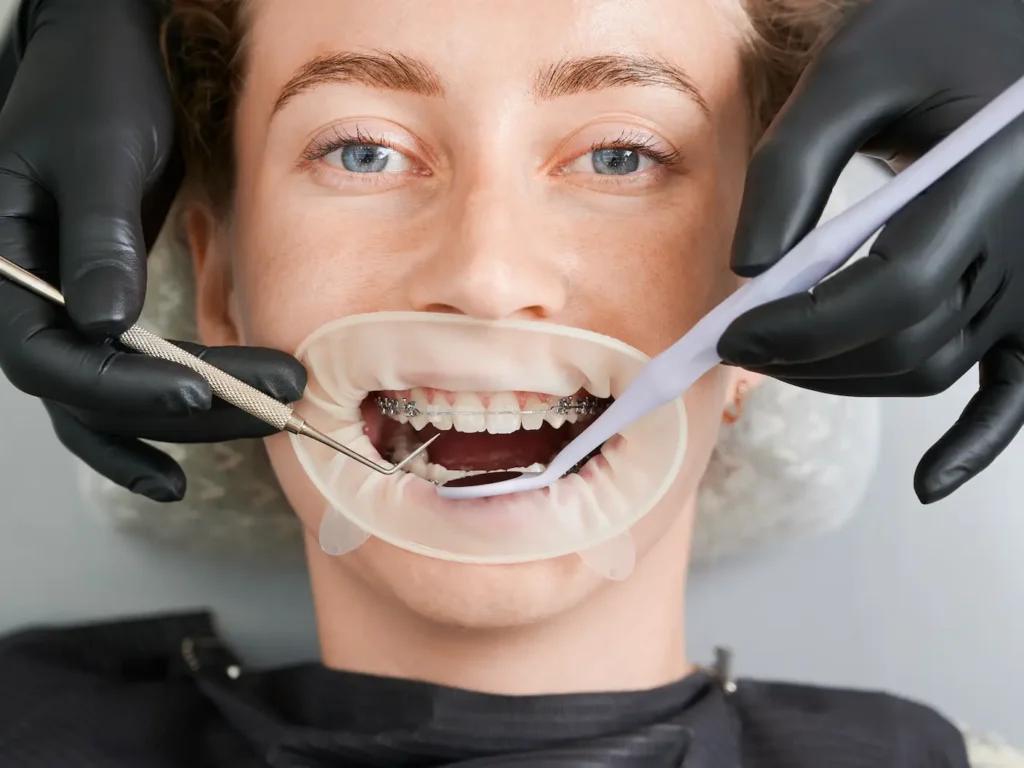
Focuses on maintaining oral health and preventing diseases like cavities, gingivitis, and periodontitis before they require reactive treatment. In 2025, these practices have evolved to integrate advanced technology with established daily routines.
They are ideal for mild to moderate aesthetic concerns. During consultation, Dr. Bianca Prayle will advise whether composite or porcelain veneers are more appropriate.
Composite veneers can stain gradually, especially with coffee, tea, or smoking. Regular polishing helps maintain their color.
On average, 5–10 years, depending on oral hygiene and habits. They can be repaired or refreshed when needed.
No. The treatment is painless and usually does not require anesthesia.
Yes. Because no enamel is removed, composite veneers are considered a reversible treatment.